Local Septic System Expertise
Throughout Winona, MS and surrounding Montgomery County rural areas, septic systems are the backbone of household wastewater management. Our septic system service and drainage service work with homeowners, property managers, and contractors to install, inspect, and maintain reliable on-site wastewater treatment. Whether your property sits near Hays Creek valley or along the ridges north of town, proper drainage protects your investment and the environment.
Understanding your system keeps it running strong
When wastewater leaves your home, it flows into an underground septic tank buried on your property. Inside the tank, solids settle to the bottom and bacteria break down organic materials. The treated liquid, called effluent, flows out into a drain field where soil naturally filters it further. This two-part process treats household waste safely without a municipal sewer connection.
In Winona's rural neighborhoods and across Montgomery County, the soil conditions vary—some areas have sandy, well-draining earth, while others feature clayey soils that require careful system design. Proper installation accounts for these differences to ensure long-term function.

Professional tank installation in Montgomery County rural areas
Every septic system has core parts that work together. The septic tank itself is a large underground container where initial treatment happens. From there, distribution lines carry effluent to the drain field—trenches or mounds filled with gravel and soil. An outlet filter keeps solids from escaping. All these parts must be sized correctly for your household.
Complete septic and drainage solutions for Winona properties
New systems designed for your property's soil and slope. We handle permits, site evaluation, and proper tank sizing for Winona-area homes and commercial properties.
Thorough assessment of your tank, drain field, and system condition. Inspections reveal clogs, leaks, and maintenance needs before they become expensive failures.
Fix surface water pooling, slow drain field performance, and erosion issues. Proper drainage prevents system stress and protects your property from moisture damage.
Regular pumping removes sludge and scum buildup that reduces tank capacity. Clean tanks function better and last longer—essential maintenance for every Winona property.
Leaks, backups, and drain field failures need fast action. We diagnose problems and restore your system to working order with minimal disruption.
Alternative systems like mound drains and aerobic units handle challenging soil conditions. We design and maintain specialized drainfields for difficult sites in the Winona area.

Well-maintained drain field protecting groundwater and property value
A neglected septic system costs thousands to repair. Raw sewage can back up into your home, contaminate groundwater, damage your drain field, and violate Mississippi State Department of Health regulations. Homes without functioning septic systems become difficult to sell.
Regular maintenance—pumping every 3 to 5 years, inspections, and water conservation—keeps your system working as designed. Homeowners who stay proactive avoid costly emergencies and protect their investment.
In Winona's rural areas, a well-functioning septic system is essential infrastructure—not optional. Mississippi State Department of Health requires proper installation and maintenance. Compliance protects both your property and the county's water resources.
Understanding your local service area
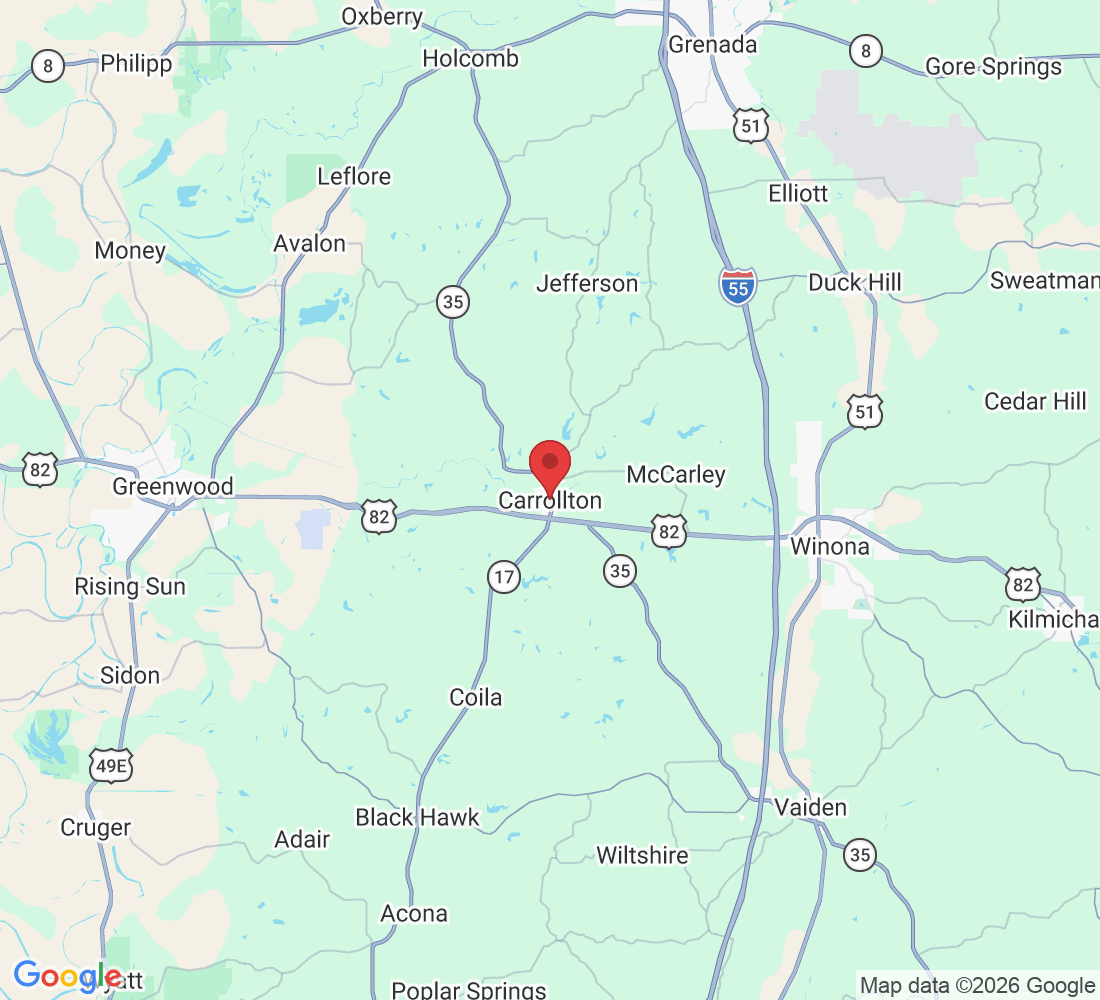
Winona is the county seat of Montgomery County, Mississippi, situated at the crossroads of U.S. Highways 51, 82, and Interstate 55. The city and surrounding areas are primarily rural, with properties served by individual septic systems rather than municipal sewers. Homes range from older, established neighborhoods with Victorian character to newer construction in valleys and atop the ridges that frame Hays Creek.
Soil conditions in Montgomery County vary significantly. Some properties sit on well-draining sandy soil ideal for standard drain fields. Others face clayey or poorly-draining conditions that demand mound systems or aerobic treatment units. The creek valleys near town drain differently than the elevated areas north toward U.S. 82. Professional site evaluation is essential before any new installation.
We serve residential and commercial properties in Winona proper, as well as homeowners in outlying rural Montgomery County. Whether your property sits near downtown Winona, along the corridor toward Interstate 55, or in the valleys surrounding Hays Creek, we bring septic expertise to your location. We work with property managers overseeing rental homes, contractors building new subdivisions, and homeowners maintaining existing systems.
Winona City Area
Historic neighborhoods and established residential zones
I-55 Corridor
Commercial and residential development areas west of Winona
Hays Creek Valley
Rural properties with variable drainage and soil conditions
North County (Highway 82)
Elevated ridge areas toward Grenada and surrounding rural zones
Know the warning signs and what creates failure
Multiple showers, laundry, and dishes in one day overload the tank. Water can't be treated fast enough, and untreated effluent flows into the drain field, causing backups.
Sludge and scum build up inside the tank. As capacity shrinks, solids escape into the drain field, clogging pipes and contaminating surrounding soil.
Surface water from roof runoff or heavy rain pools near the tank or drain field. Soggy soil prevents proper treatment and creates odors and waste backup.
Flushing grease, non-biodegradable items, or chemicals kills bacteria and clogs systems. These substances don't break down and accumulate rapidly.
Clay-heavy or shallow-water-table properties need special system design. Standard drain fields fail in unsuitable soil without proper engineering from the start.
Tree roots invade pipes. Driving or parking over the drain field compacts soil and stops water from filtering. Both damage the system irreparably.
Act fast to prevent health and environmental damage
If you notice sewage backing up into drains, foul odors around the tank, or soggy grass over the drain field, stop using the system as much as possible and call a professional immediately. Limit water use—keep showers short, delay laundry, and avoid running the dishwasher until inspected.
A licensed inspector will diagnose the problem—whether it's a full tank, clogged lines, or a failed drain field. Once identified, repair options range from simple pumping to complete system replacement depending on the damage. Mississippi State Department of Health must approve any major repairs or new installations.
Do not ignore the problem. Untreated sewage contaminates groundwater, endangers neighbors' wells, and creates serious health risks. Delaying repairs typically doubles or triples the eventual cost.
Most homeowners should pump every 3 to 5 years depending on tank size, household size, and water usage. Larger households or frequent use may need more frequent pumping. Your licensed installer can recommend a schedule based on your specific system and property.
Mississippi State Department of Health requires septic tanks to be at least 50 feet from a well, and drain fields must be at least 100 feet away. These distances protect groundwater from contamination if the system fails.
Yes. All new septic system installations in Mississippi require approval from the Mississippi State Department of Health. Your installer will handle the permit application, including soil testing and site evaluation. You cannot legally operate a system without proper approval.
Green spongy grass is a sign that effluent is pooling at or near the soil surface—a sign the drain field is failing or the system is overloaded. This indicates sewage isn't being treated properly and you should have the system inspected immediately to prevent groundwater contamination.
No. Additives marketed to reduce pumping are not reliable and may harm your system or the environment. Regular pumping removes irreducible solids that no additive can dissolve. Rely on a pumping schedule instead.
Never flush grease, cooking oil, non-biodegradable wipes (even 'flushable' ones), feminine hygiene products, medications, diapers, or cat litter. These clog the tank and damage bacteria. Dispose of grease in the trash and use minimal household cleaners. Keep the system healthy by being mindful of what enters it.
DISCOVER WHAT OUR CUSTOMERS HAVE TO SAY ABOUT US